Slayblade Merge System Explained
Part synergy, power stacking, and combo discovery in the full game.
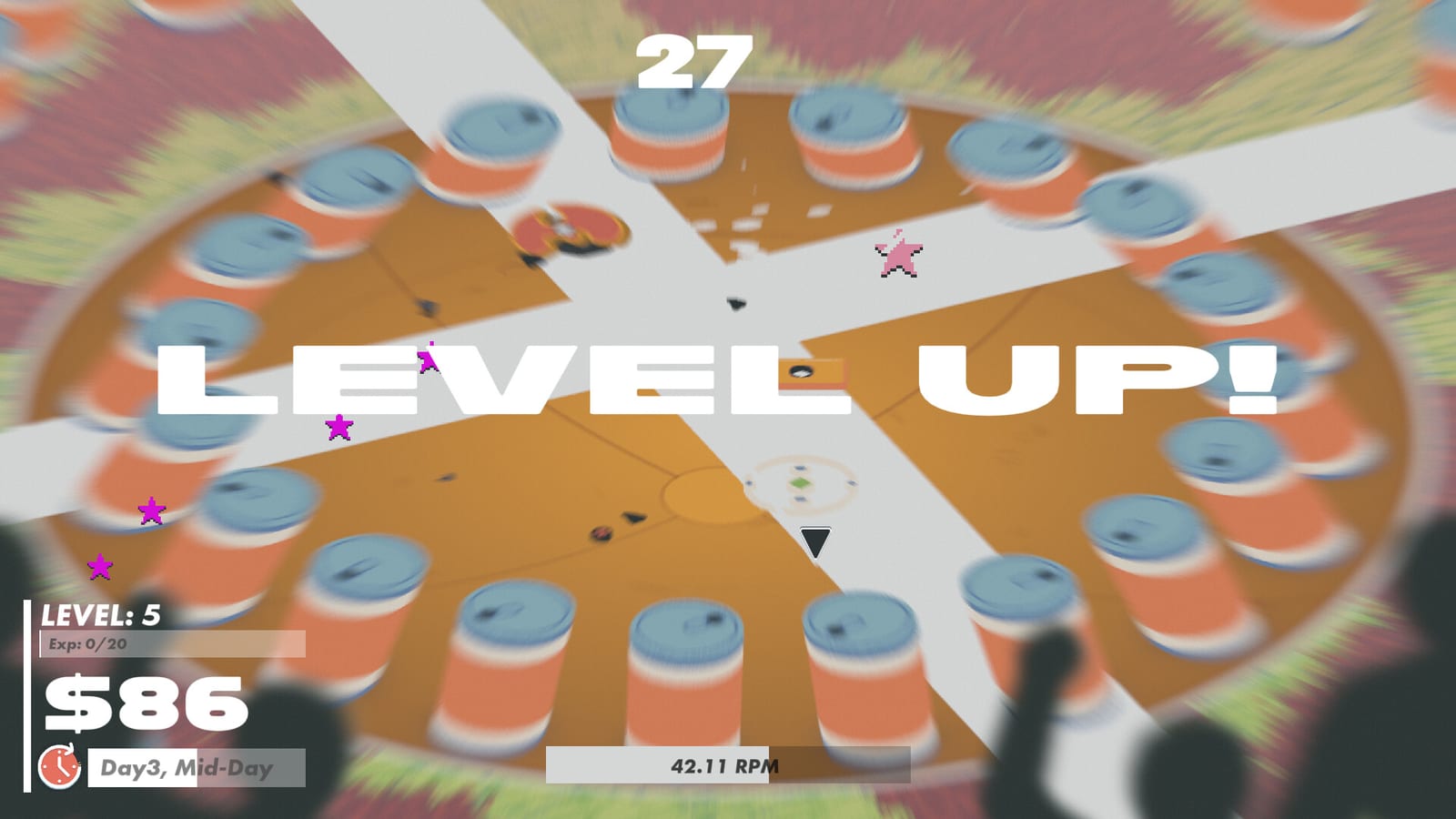
Slayblade’s merge system is the heart of its roguelite depth. Parts do not simply stack numbers—they combine active effects that trigger when you grab power-up cubes during battle. Understanding how heads, bodies, and tips interact is the difference between random shopping and intentional domination.
How merging works
Every Slayblade has three slots: head, body, and tip. Each part carries a weight value and an active power. When you hit a power-up cube in the arena, your equipped actives fire. The merge happens when multiple actives interact—faster cube spawns feed more triggers, ghost summons stack, arena modifications compound.
The official Steam pitch says Find INSANE combos with all the parts you Unlock! This is not marketing hyperbole. Players who read part descriptions and test combinations discover synergies that single parts cannot achieve alone.
The three-slot system
Head parts tend to define your primary offensive or utility active. They are often the first piece you build around.
Body parts provide the most dramatic arena-wide effects—ghosts, barriers, mines, vampires. Many of the strongest combos centre on body actives.
Tip parts fine-tune arena geometry and opponent debuffs. A tip that flattens the bowl or reduces opponent spin creates openings that heads and bodies exploit.
Known powerful combos
Cube accelerator + Ghost drain
The Wu Tang logo head halves the time before the next power-up cube appears. Pair it with the Buster body, which summons a spin-draining ghost every time you collect a cube. Faster cubes mean more ghosts. More ghosts mean your opponent cannot maintain RPM. This was the most notorious combo during the Steam Next Fest demo.
Landmine + Flat Earth
A body that places landmines in the arena combined with the Flat Earth tip, which flattens the bowl-shaped arena into a level plane. Opponents who slide into your mines have no curved walls to recover—they skid straight out of bounds for easy ring-outs.
Night vampire + Cube speed
The Vampire body (active during night battles) reduces opponent spin by 50% when triggered. Pair with any cube-accelerating head to trigger this devastating drain more often. Night district fights become trivially easy.
Cash scaling engine
The ”$$$” head and tip parts scale their power-box effects off your current cash. Hoard money instead of spending it, then pick up a power-up cube to watch your spin skyrocket while your opponent’s drops to nothing. Players have reported winning fights instantly after one cube grab with a fat wallet.
Barrier stacking
Dart Lord’s body raises barriers around the arena to prevent ring-outs. Combine with any spin-drain head to create an opponent trap: they cannot leave the ring, but their RPM bleeds dry.
How to discover your own combos
- Read every part description before buying. Do not treat parts as stat sticks.
- Buy for synergy, not for the highest number on screen.
- Test one new combination per run in a safe street fight before committing to illegal matches.
- Use the practice arena when available to isolate variables.
- Track which cube triggers your opponent cannot counter.
Weight and collision physics
Weight affects how hard your blade hits, how easily it changes direction, and how much momentum it retains after contact. Heavier tops hit harder but turn slower. Lighter tops dodge easier but lose momentum on impact. The best build matches weight to your win condition—ring-outs want displacement power, spin-outs want sustained contact.
Cube timing strategy
Power-up cubes spawn at intervals that can be modified by parts. Grabbing a cube triggers all your equipped actives simultaneously. Timing matters: grab a cube when your opponent is near the arena edge for maximum displacement, or when their RPM is low for a finishing drain.
Common merge mistakes
Buying three random logos without a plan. Chasing the highest weight without considering turn speed. Ignoring cube timing and grabbing them randomly. Selling a part that seemed weak but was actually the linchpin of your combo. Read, test, then commit.
Post-launch meta shifts
The full game doubled the demo’s part roster. New combos will emerge as players discover interactions between previously unseen parts. Check the Parts Tier List and Advanced Builds regularly for updated rankings.
Related guides
For specific build templates, see Beginner Builds and Advanced Builds. For combat fundamentals, read How to Win Battles. For power-up cube routing, open Power-Up Cubes.
Frequently Asked Questions
Quick answers to the most common questions.
How many parts are in Slayblade?
The full game has over 60 collectible blade parts split across heads, bodies, and tips. The demo included roughly half that total.
Do parts just add stats?
No. Parts carry active powers that trigger when you grab power-up cubes. The merge system combines these actives for synergy effects.
What is the best combo for beginners?
Start with any cube-accelerating head paired with a body that has a visible effect like ghosts or barriers. Faster cubes mean more triggers to learn from.
Can I change parts mid-run?
Parts are purchased between battles at shops that refresh each in-game day. Your equipped set persists for the duration of each fight.